Maria has her MA in Communications and Technology from the University of Alberta, a BA in Image Arts from Toronto Metropolitan University (formerly Ryerson), a Certificate in Online Learning Design and Delivery from Algonquin College and a Digital Media Certificate from the Ontario College of Art and Design University. She is also a certified Naturalist and Reflexologist.
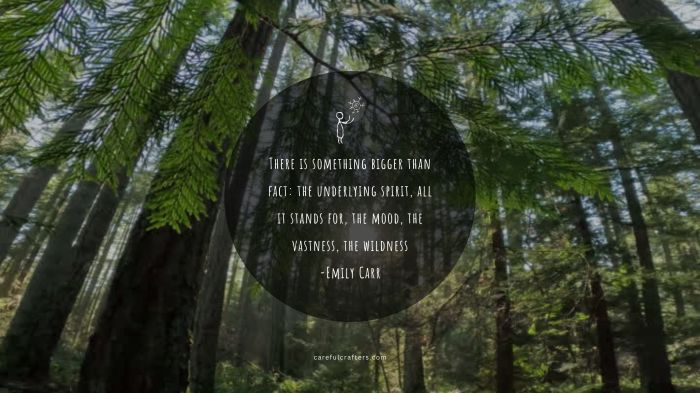
Simple yet eye catching moving and still images can be produced in Canva. There, you can select a variety of sizes and formats for your different social media platforms. Here I have created two versions of two images: one as a motion gif (since my WordPress plan doesn’t support video) and the other as a static jpeg. These are produced to be shared on LinkedIn and Instagram, as they support square formats. Along with various graphical formats, Canva also provides a link to the external file that can be viewed by anyone such as this one. Reach out to me if you would like to learn how to harness the power of Canva for your project needs or would like content produced for your company or eLearning project. I work with the professional paid version and have access to 10’s of thousands of images and graphics. I also produce my own original images and video as seen below. Please wait a moment for the page to load.
I designed this forest bathing trifold as a quick reference guide that provides reminders and mindful exercises while in the forest. This brochure also offers a foldout colour photo of a forest bath scenario for visual aid in case it is not possible to access a forest. Looking at a visual of nature is a form of eco therapy and is also effective in calming the nervous system especially while paired with mindful exercises. This would be good to carry while traveling or when dealing with stressful situations. I have added an alternative black and white version that is home printer friendly. Trifold brochures can be professionally printed through Canva; I have used the Canva printing service several times and have been happy with the results. If you need an eye catching brochure like this one, you can get in touch for scope and pricing.
(The neat thing about Canva is that both the designer and the client/team can work together inside of the ecosystem from different locations, streamlining the process. Oh and it’s also fun).
Put aside 1 hour for this but there is no time limit. This activity is meant to keep us in the “being” mode where we can give our mind a break (parasympathetic nervous system) from the stress of always “doing”.
Here is a digital collage I created using Canva. For this exercise, I didn’t have anything in mind, I just placed random images and text onto my canvas. Once complete, I spent time looking at the themes that emerged such as travel, animals, and the colour yellow. While doing this, my mind is present while observing, turning this into a mindful seeing practice. If my mind wanders, I am aware of it and guide my mind back to the image.
Combined in this activity are three practices:
Breathing practice – close your eyes and listen to your breath, observe your body for 10 mins.
Collage practice – drop visuals and text onto your canvas, don’t think too hard just allow yourself to be free and have fun.
Seeing practice – observe your collage for about 5 mins, taking in the themes, colours, patterns and textures.
There are two ways you can approach this exercise:
Select “Create Design” top right hand corner and pick a format
Go to “Elements” located on the left hand side to search for images
Go to “Text” located under Elements to add text and explore fonts and sizes
When finished click “Share” >Download>JPG>Download to save file
Alternatively you can also make a paper collage by cutting and pasting clippings to a sheet of paper or scrapbook. I use the digital format because I don’t have access to clippings to work with.
Be sure to come back to your collage whenever you want to do a seeing practice. You can print it out, move it to your device or place as your computer wallpaper.
There is much more you can do with Canva than I have outlined here but this will get you started and exploring the ecosystem. Have fun and feel free to share your finished collage!
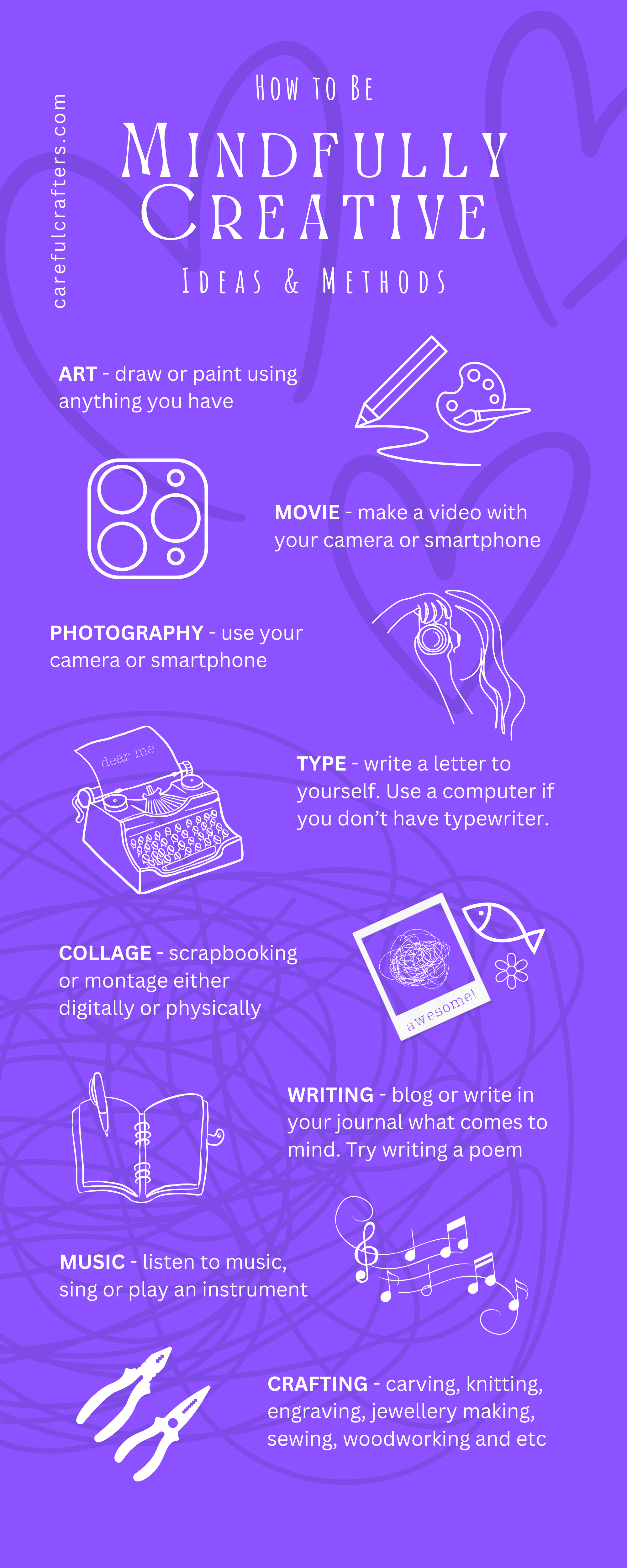
There are many ways to be creative. I have suggested here just a few that you can get started with. You do not need to be an “artist” or professional of any kind to engage in creativity. I believe we are all creative. The idea is to anchor your mind in the present moment and keep you fully and 100% engaged in the activity. If you find your mind wanders off, acknowledge it and then steer it back to your activity. Being creative is an effective way of staying in the present moment as our brain so easily drifts off into the past and the future. The goal is to leave the “doing” mode (automatic pilot) and be in the “being” mode of the moment, allowing ourselves to rest from stress. Notice how you feel during the process of creating and then how you feel about what you created. Celebrate your results – there is no good or bad results, only the reward of finding out you are creative. In my next post, I will share an example of a digital montage I made using the collage idea.
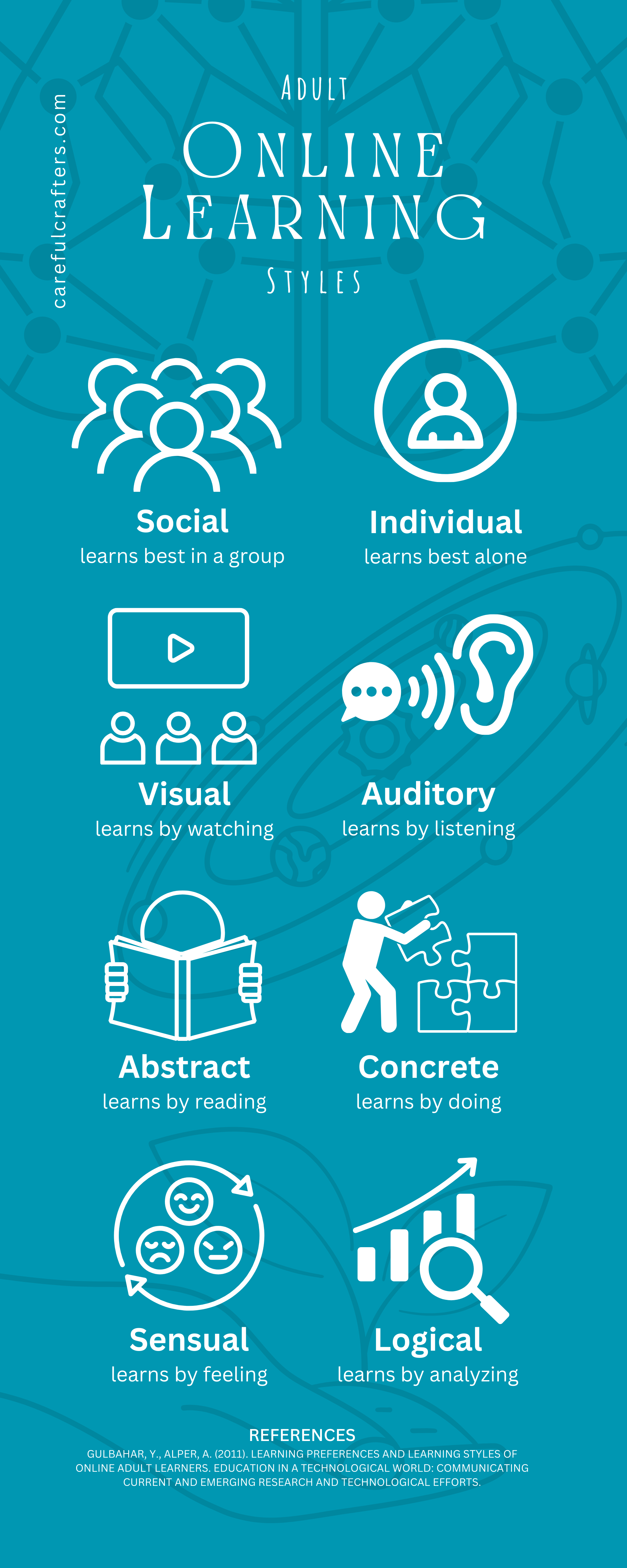
Next time you set out on a learning endeavour, think about the ways in which you learn best. We all have learning styles that we prefer over others. Although I learn through all styles, my strongest learning happens while doing. Do you have one learning style that you have recognized to be stronger than the others?
I have revamped a previous infographic to match the design and style of the new ones, and this time I also added visuals.